
AI and the Changing Landscape of STEM Careers
BLUF: AI tools are automating routine analysis, creating hybrid roles that blend coding with domain expertise, and forcing universities to rewrite curricula; the shift matters because it decides who stays relevant in engineering, research and data science.
What Is AI in STEM?
AI in STEM refers to machine‑learning models, natural‑language processors and autonomous systems that assist or replace traditional analytical tasks. Engineers now use code‑generated simulations, biologists depend on AI‑driven protein folding, and physicists run experiments guided by reinforcement learning agents.

Why Does AI in STEM Matter?
The speed of discovery has jumped; a drug candidate that once took months can be screened in days. Companies like DeepMind and OpenAI publish papers that cut costs for labs worldwide. Students, researchers and mid‑career professionals all feel the pressure to adopt these tools or risk obsolescence.
How Does AI in STEM Work?
Most workflows start with data ingestion: sensors, telescopes or gene sequencers dump raw streams into cloud storage. Python libraries such as TensorFlow or PyTorch transform that data into training sets. Engineers fine‑tune pre‑trained models, then embed them in pipelines that output predictions, design recommendations or control signals. For example, a civil‑engineering firm uses a generative‑design AI to propose 30 structural alternatives in minutes, each vetted for stress, cost and material availability.

What Are the Downsides?
AI amplifies bias when training data are skewed, leading to faulty conclusions in medical research. Automation also displaces routine positions; a Reddit thread in r/Engineering reported a lab that laid off three technicians after adopting an AI image‑analysis suite. Moreover, reliance on proprietary models locks teams into vendor ecosystems, raising long‑term cost and security concerns.
Frequently Asked Questions
Do I need a PhD to work with AI in STEM?
No, many roles require only a solid grasp of statistics and Python; bootcamps and online certificates can bridge the gap.
Will AI eliminate all manual lab work?
Not entirely; AI handles repetitive data crunching, but hypothesis generation and equipment maintenance still need human judgment.
What This Means
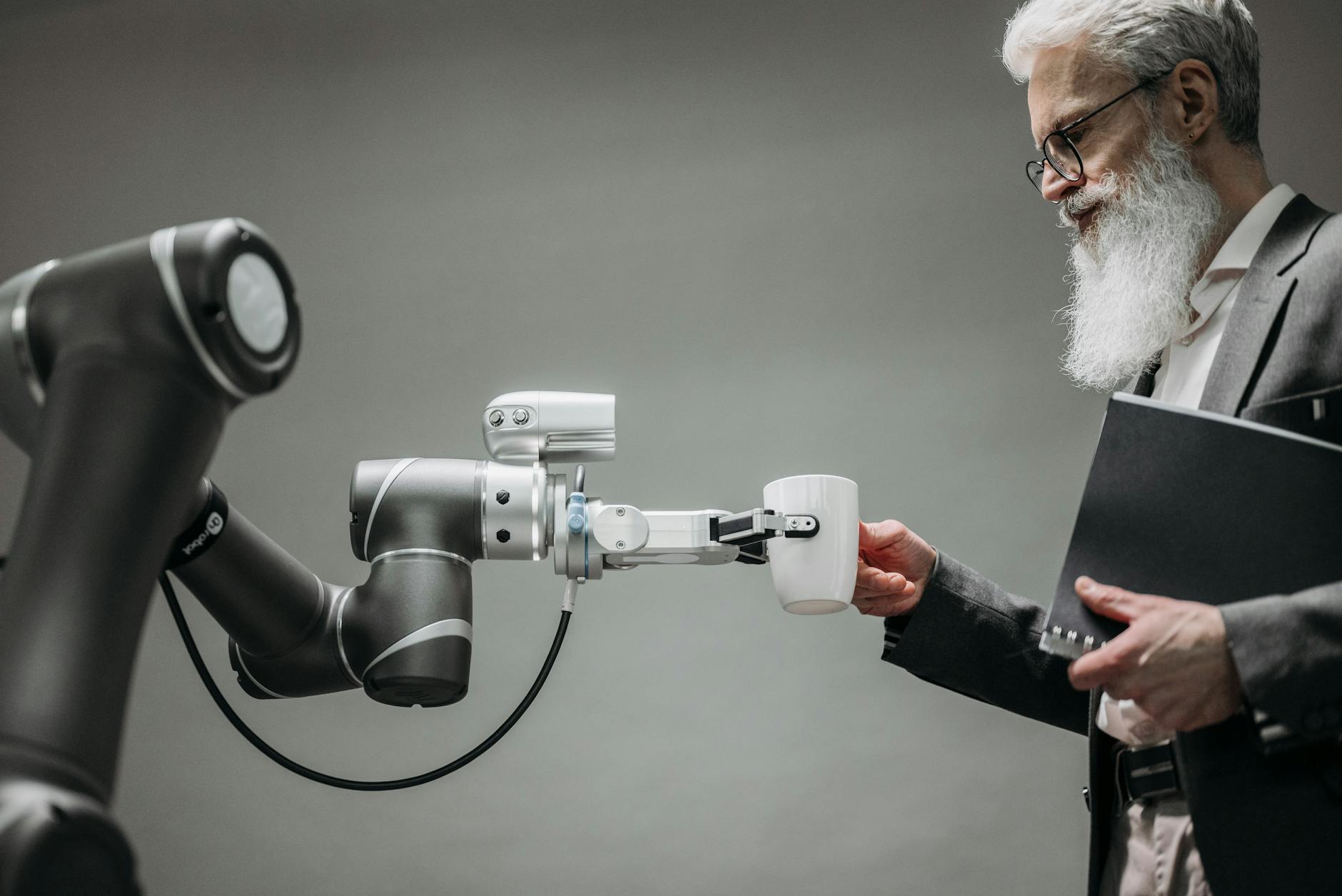
AI is not a distant novelty; it is the new microscope, telescope and calculator for every STEM discipline. Professionals who learn to prompt large language models, curate high‑quality datasets, and interpret model outputs will command the most opportunities. Those who cling to legacy tools risk being sidelined.
