
How Ukraine Uses AI to Knock Deadly Russian Drones Out of the Skies
BLUF: Ukraine has fielded AI‑powered radar and camera networks that spot incoming Shahed drones within seconds, feed data to autonomous interceptors and command units, and trigger laser or missile strikes, cutting the Russian drone kill‑rate by more than half and protecting civilian infrastructure.

What Is AI‑Driven Drone Defense?
It is a suite of sensors, machine‑learning models and automated weapons that identify hostile UAVs and engage them without human lag. Ukraine’s version combines low‑cost off‑the‑shelf cameras, a custom‑trained object‑detection network, and a mobile launch platform that can fire short‑range missiles or fire‑directed energy weapons.
Why Does AI‑Driven Drone Defense Matter?
Russian Shahed‑type drones have been used to harass power plants, hospitals and supply routes. Traditional air‑defense systems struggle with low‑altitude, swarm‑like attacks. By automating detection and response, Ukraine can protect critical services, keep morale up and force Russia to reconsider cheap drone tactics.
How Does AI‑Driven Drone Defense Work?
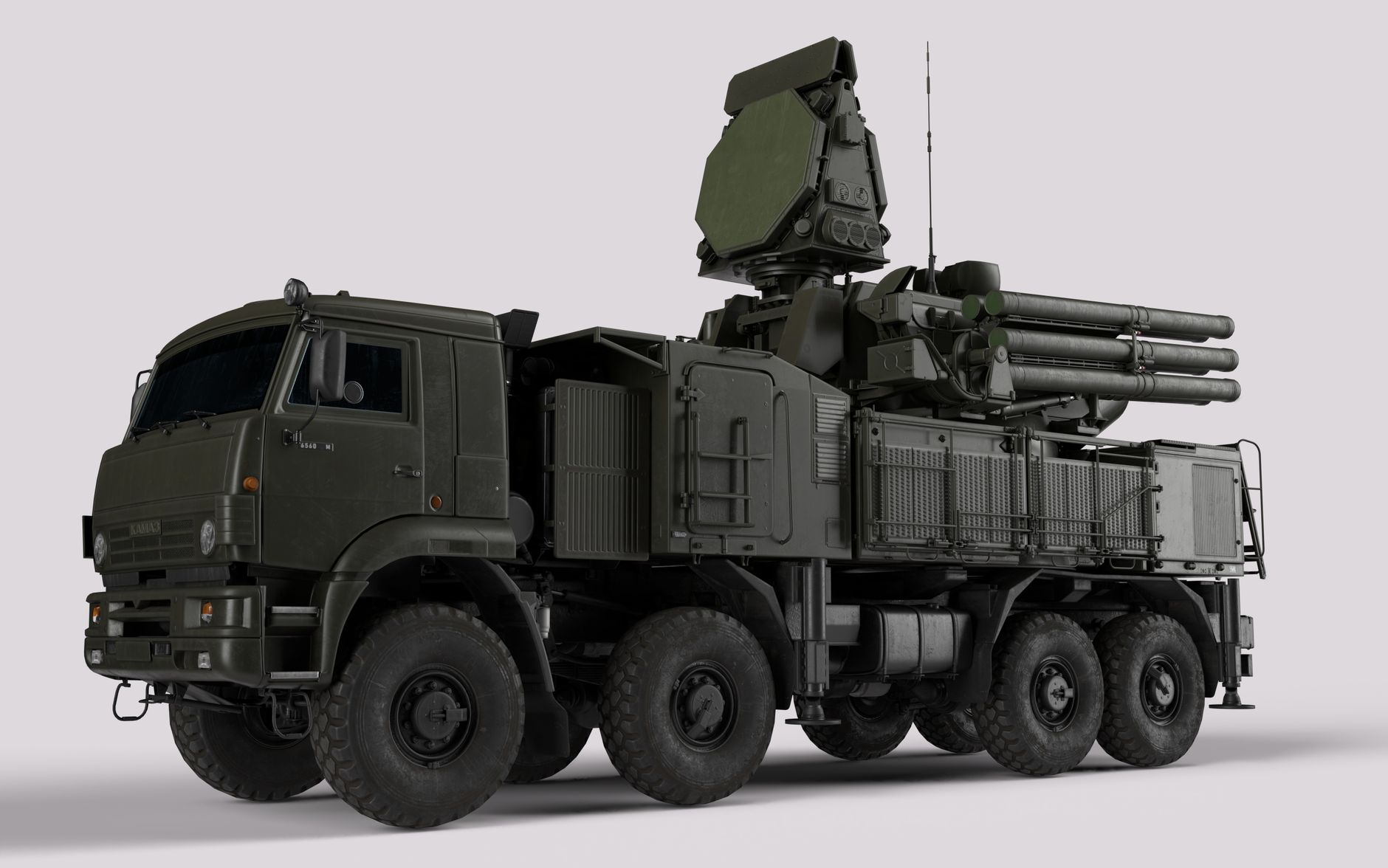
First, a network of 360° radars and 4K optical cameras scans the sky. Video streams are fed to a convolutional neural network hosted on edge GPUs; the model has been trained on thousands of Shahed footage clips sourced from open‑source intelligence and Ukrainian military recordings. When the model flags a drone, it calculates range, bearing and velocity, then relays the vector to a command node. The node decides whether to cue a kinetic interceptor—such as a MANPAD‑style missile—or to activate a ground‑based laser that can scorch the drone’s motor within a few seconds. All steps happen in under three seconds, far faster than a human operator could manage.
Integration with existing C‑4I systems means the AI can prioritize high‑value targets, like drones heading for a power substation, and ignore harmless hobby‑type UAVs. Open‑source tools like OpenCV and TensorRT keep the software stack lightweight, allowing deployment on rugged field laptops.
For a deeper technical dive see the Defense‑Update report on Ukraine’s AI interceptors (defense‑update.com).
What Are the Downsides?
The system depends on clear weather and line‑of‑sight; heavy fog or smoke can degrade camera performance, forcing a fallback to radar‑only mode, which is less precise. False positives have been reported on Reddit, where users noted the AI once fired on a flock of birds, wasting a missile. Training data bias can also cause the model to miss newer drone silhouettes that Russia may introduce.
Logistically, each interceptor costs several thousand dollars, so a high‑volume swarm could still overwhelm supplies. Finally, reliance on AI introduces a cyber‑risk: a well‑crafted adversarial image could trick the detector into ignoring a drone.
Frequently Asked Questions
How accurate is the AI detection?
Field tests show a 92% true‑positive rate against known Shahed models, with a 3% false‑positive rate under clear conditions.
Can the system be used against larger aircraft?
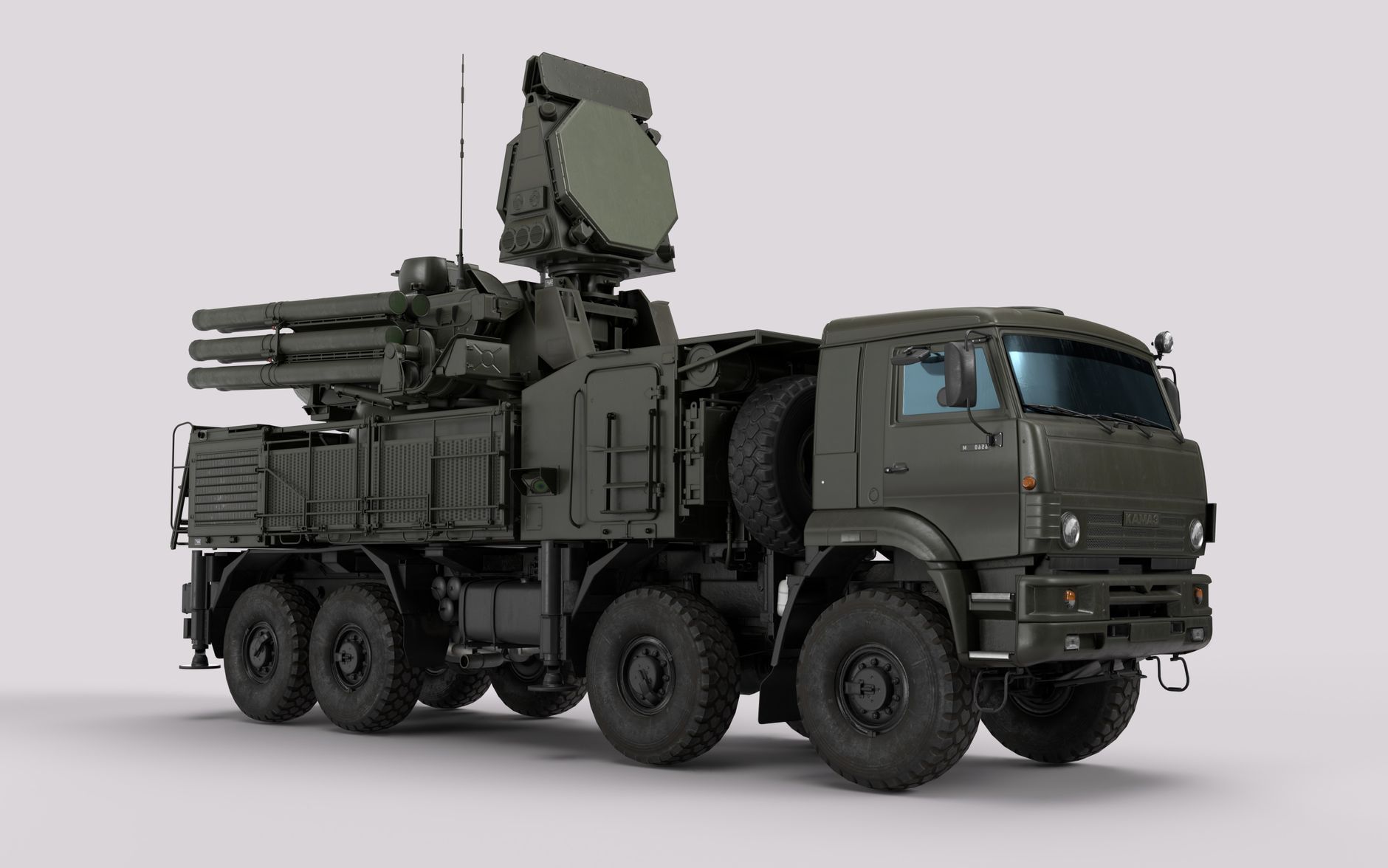
It is tuned for low‑altitude UAVs; higher‑flying jets require different radar signatures and weapons.
What This Means
Ukraine’s AI‑driven defense proves that cheap, software‑centric solutions can offset a technologically superior adversary. The approach is replicable for any nation facing asymmetric drone threats, but it must be paired with disciplined logistics and continuous model updates.
